Conception de matériaux architecturés exotiques en élasticité 2D
Contribution: Develops a geometric approach to exotic materials in 2D linear elasticity.
Theoretical mechanics · Mechanical metamaterials
I study how symmetry shapes the mechanical response of materials, from constitutive theory to metamaterials design.
I joined the Hong Kong University of Science and Technology (HKUST) as an RTH Postdoctoral Fellow in 2025. I received my Ph.D. in Mechanics from Sorbonne University (d’Alembert Lab) in 2024. Previously, I earned an engineering degree in Materials Science from ENIM and a bachelor’s degree in Aircraft Propulsion Engineering from Nanjing University of Aeronautics and Astronautics (NUAA).
I am currently seeking faculty positions worldwide.
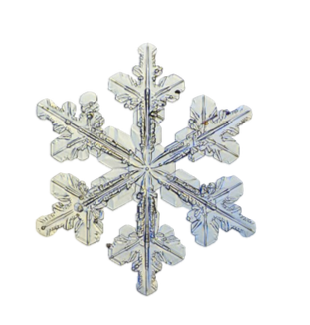
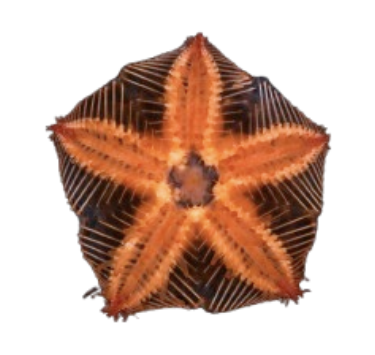
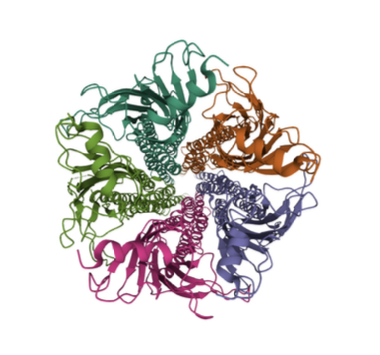
Drawing on group theory and the geometry of mechanical constitutive spaces, I develop a theory of “exotic anisotropy” to control the anisotropy of mechanical constitutive laws. This theory clarifies the constitutive conditions under which lower-symmetry materials exhibit specific higher-symmetry mechanical responses.
I use topology optimisation to construct metamaterials that meet these conditions and work with collaborators to validate them experimentally, forming a research pathway from constitutive theory through materials design to experimental validation. I plan to extend this pathway to dynamic problems, investigating the effects of exotic anisotropy on elastic-wave propagation and phononic responses, and exploring the design of on-chip acoustic functions for communication devices.
Contribution: Develops a geometric approach to exotic materials in 2D linear elasticity.
Result: Establishes a geometric framework for identifying exotic anisotropies in generalised 2D constitutive laws.
Result: Designs and experimentally validates an orthotropic linear elastic material with isotropic deviatoric elasticity, linking topology optimisation, fabrication and mechanical identification.
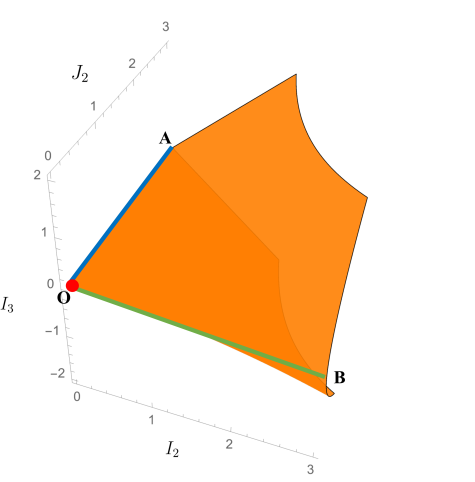
Elasticity tensor space embedded in invariant coordinates and the location (line OB) of R0-orthotropy in this space.
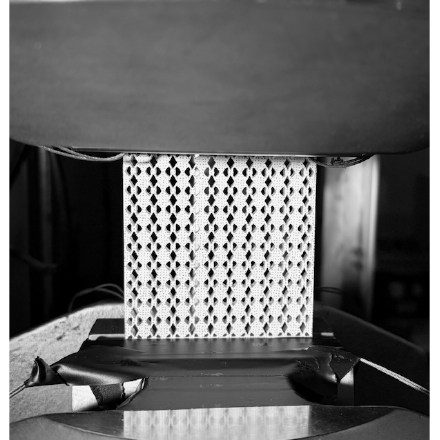
Design of R0 material and identification from a single tensile test
Result: Extends the classification of exotic anisotropies to 3D linear elasticmaterials.
Contribution: Formulates inverse design against prescribed effective stiffness tensors using level-set methods and topological derivatives, with MPI-based parallel computing and GPU acceleration for the numerical optimization .
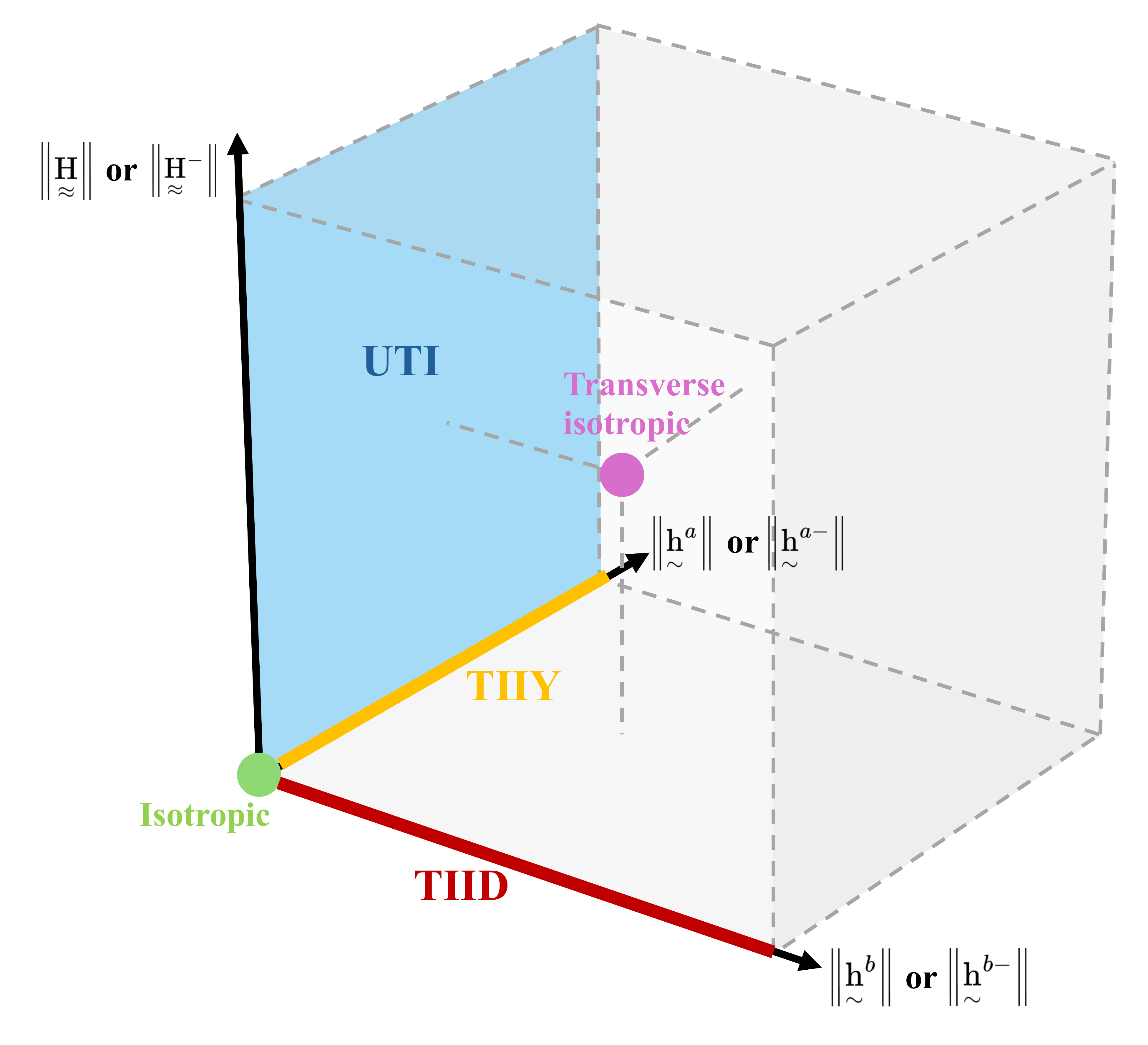
Location of exotic anisotropies in 3D elasticity tensor space of transversely isotropic class.
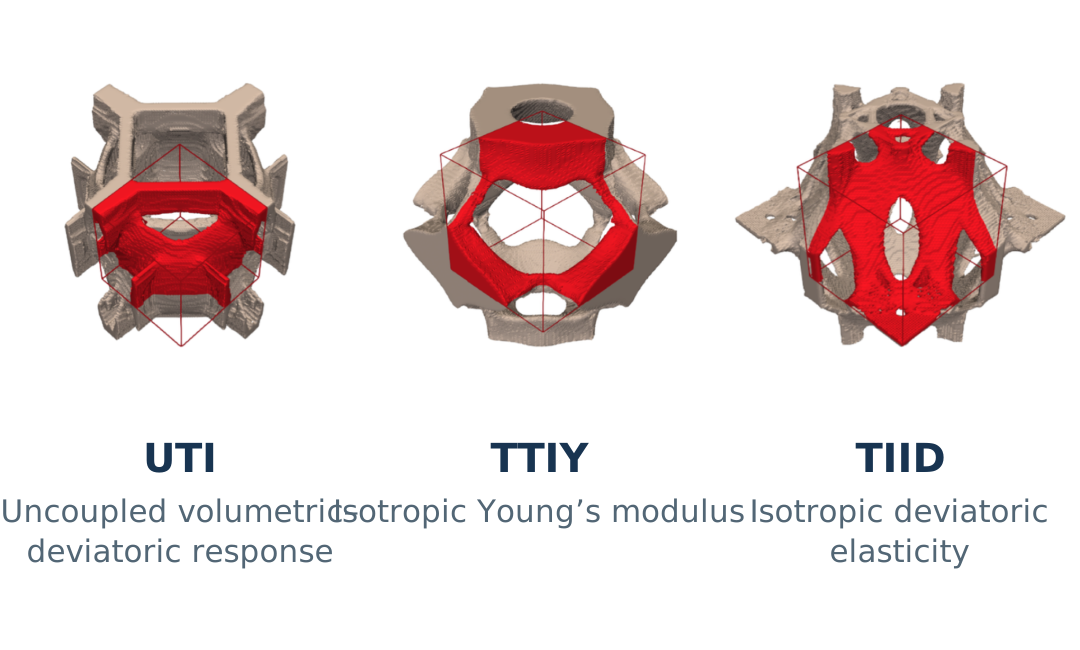
Three representative exotic metamaterial designs .
Result: Uses unconditional diffusion models to generate microstructures under style and mechanical-property constraints.
Result: Demonstrates nonreciprocal transition-wave propagation in active lattices.
For faculty opportunities and research collaborations.
mouguangjin@ust.hk ↗